Head-to-Head
Cast Iron vs. Enameled Cast Iron: Which Pan Earns Its Shelf Space
We cooked the same five meals in both to see which pan justifies its price, its weight, and its upkeep.
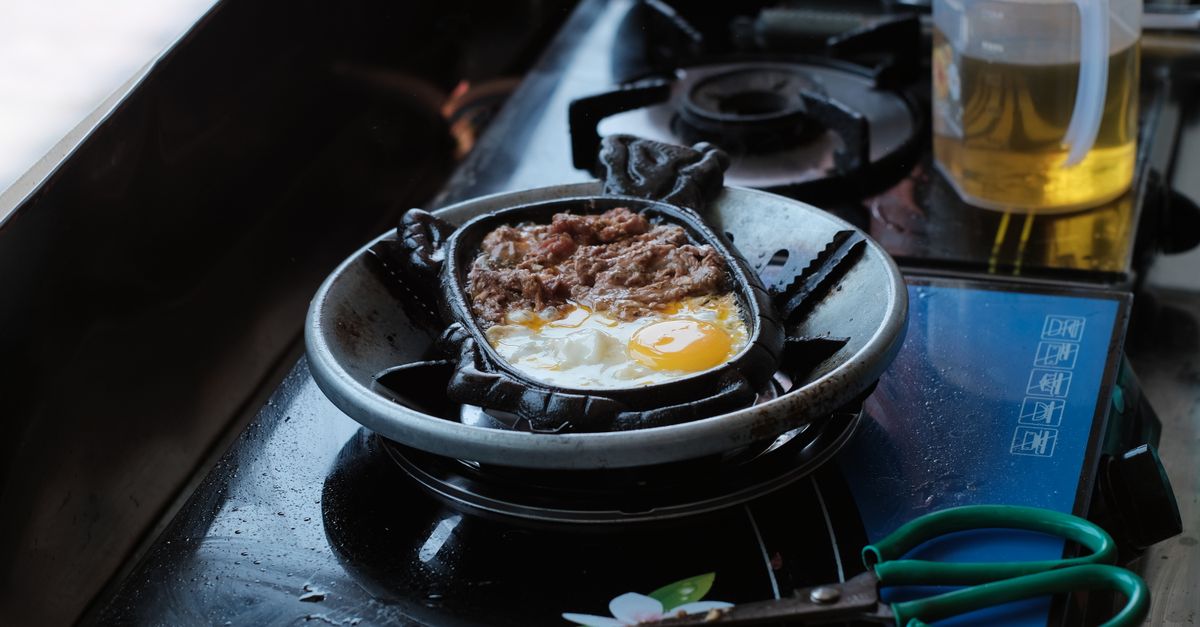
Bare cast iron and enameled cast iron get lumped together as 'basically the same thing,' but after three weeks of searing, braising, and simmering acidic sauces in both, the differences add up fast. Bare cast iron costs a third as much, holds heat longer at high temperatures, and develops a seasoning layer that genuinely improves with use. Enameled cast iron costs more but skips the seasoning ritual entirely and handles tomato-based sauces without a metallic aftertaste.
The bare pan won outright on steak. It reached a deeper, more even crust in under four minutes and recovered heat faster between batches, which matters if you're cooking for more than two people. The tradeoff is maintenance: it needs a dry towel and a light oil wipe after every wash, and it will rust if left wet in a sink overnight — we tested this by accident.
The enameled pot won on anything that simmers for more than twenty minutes. A braised chicken thigh dish and a tomato-based bean stew both came out cleaner-tasting from the enameled pot, with no metallic edge. It's also the easier pan to hand to someone who doesn't want to think about cookware maintenance at all.
Price is where the comparison gets interesting. A basic bare cast iron skillet runs $20 to $40 and will outlast most kitchens if cared for. A mid-range enameled Dutch oven starts around $70 and climbs past $300 for premium brands, though our testing found the $90-$120 range delivered nearly identical results to pricier options in heat retention and chip resistance over repeated use.
Our verdict: buy bare cast iron first for searing and everyday use, and add an enameled pot only once you're regularly cooking long-simmer dishes. Buying both at once, which is what most gift guides recommend, means one of them sits unused for months.